
Get Free Consultation!
We are ready to answer right now! Sign up for a free consultation.
Error: Contact form not found.
I consent to the processing of personal data and agree with the user agreement and privacy policy
We are ready to answer right now! Sign up for a free consultation.
Error: Contact form not found.
I consent to the processing of personal data and agree with the user agreement and privacy policy
A carport is a versatile and cost-effective solution designed to protect your vehicle from rain, sun, wind, and other environmental elements while enhancing the convenience and aesthetic appeal of your property. Unlike traditional enclosed garages, carports feature open-sided coverage, providing easy vehicle access, superior ventilation, and flexibility in design. This makes them suitable not only for residential homes but also for apartments, townhouses, and commercial properties, offering both practical protection and a stylish addition to any property layout.

Protection: Shield your vehicles from rain, sun, hail, and other harsh weather conditions.
Versatility: Suitable for cars, boats, caravans, or even as additional covered outdoor space.
Cost-Effective: A more affordable alternative to a full garage without compromising on functionality.
Easy Access: Open design allows quick entry and exit for your vehicles.
Customizable: Designed to complement your property’s style and match your needs.
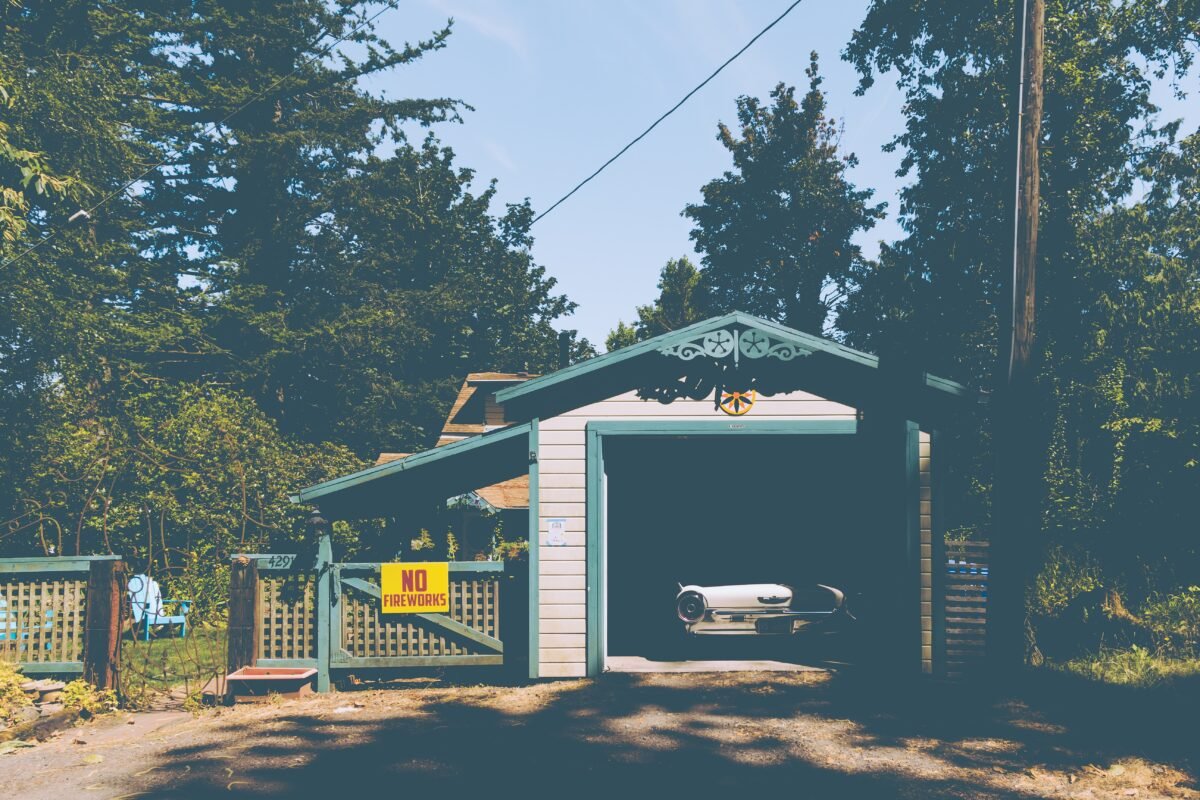
Protect cars, boats & caravans from sun and rain
Compliant carports for residential or business use
High-quality materials for lasting protection and safety
Compliant design that enhances property look
We bring your carport vision to life with expert planning, smart design, and reliable construction, making the entire process simple, seamless, and stress-free.
Carports, like other structures, must comply with local council requirements under planning regulations. You may benefit from simplified approval processes, as carports often have fewer restrictions compared to enclosed garages. This makes adding a carport an achievable option for most residential and commercial properties.
Carports must meet specific safety and structural regulations set by both local and state authorities. Our team ensures that your design complies with all relevant building codes and works with certified engineers to guarantee safe, durable construction that meets all required standards.
While carports are typically less controversial than other structures, council objections may arise due to concerns about aesthetic impact or property access. We help manage community feedback, demonstrating that carports can enhance property value without compromising residential amenity, ensuring smoother approval.
As long as your carport design aligns with the local development controls, councils generally cannot refuse consent. We assist with key considerations like size, location, structural design, privacy, access, and impact on surrounding properties, ensuring your carport meets all planning and zoning requirements.
our carport questions, answered. We’re here to help every step of the way..
In most cases, yes. Carports usually require approval from your local council, particularly if they exceed a certain size, are built in a prominent location, or impact the overall aesthetic of your property. This is to ensure they meet safety, zoning, and design standards. However, some smaller, open-sided carports may be exempt from approval, depending on local regulations and specific guidelines set by the council. It's important to check with your local authority to ensure your carport complies with all the necessary rules and requirements
Your carport design must adhere to local zoning laws, height restrictions, setback regulations, and aesthetic guidelines as specified by your council’s planning rules. These requirements ensure that your carport is safe, functional, and compatible with the character of the surrounding area. Since these rules can vary from council to council, it’s crucial to thoroughly review the specific guidelines in your local area before proceeding with your project. This helps to avoid any potential issues during the approval process and ensures your carport meets all legal and design standards.
In some areas, it is possible to have a carport extend towards the front of your property, but there are often strict regulations regarding how far forward it can be built. Local councils typically impose limits to ensure that the carport doesn’t impact the streetscape, obstruct visibility, or affect the overall appearance of the neighborhood. These rules can vary significantly depending on your location, so it’s highly recommended to consult with your local council or a planning expert to fully understand the guidelines and obtain the necessary approvals before proceeding with the design and construction of your carport.
The approval process for a carport generally takes anywhere from a few weeks to a couple of months, depending on several factors, including the complexity of your design, the scale of the project, and the current workload of your local council. If your design is straightforward and meets all the required regulations, the approval process is usually quicker. However, more complex designs, larger carports, or those in areas with stricter regulations may take longer to review. It's important to factor in time for any necessary revisions or additional documentation that may be required, so you can plan accordingly and avoid delays.
“If your driveway is shared with neighboring properties, it’s essential to obtain written consent from your neighbors before proceeding with the carport construction. This consent ensures that all parties are in agreement with the proposed changes and that the new structure doesn’t interfere with shared access. Additionally, the carport design must be carefully planned to ensure it doesn’t obstruct any shared pathways or violate easement rights that may exist on your property. These legal requirements are in place to protect the rights of all property owners involved and to ensure that the construction complies with local planning laws and regulations.
