
Get Free Consultation!
We are ready to answer right now! Sign up for a free consultation.
Error: Contact form not found.
I consent to the processing of personal data and agree with the user agreement and privacy policy
We are ready to answer right now! Sign up for a free consultation.
Error: Contact form not found.
I consent to the processing of personal data and agree with the user agreement and privacy policy
Residential flat buildings provide an ideal solution for maximizing land use while offering affordable housing options. These developments not only increase rental income but also contribute positively to community housing. The approval process for residential flat buildings can be complex, but with the right guidance, it can be straightforward and efficient.
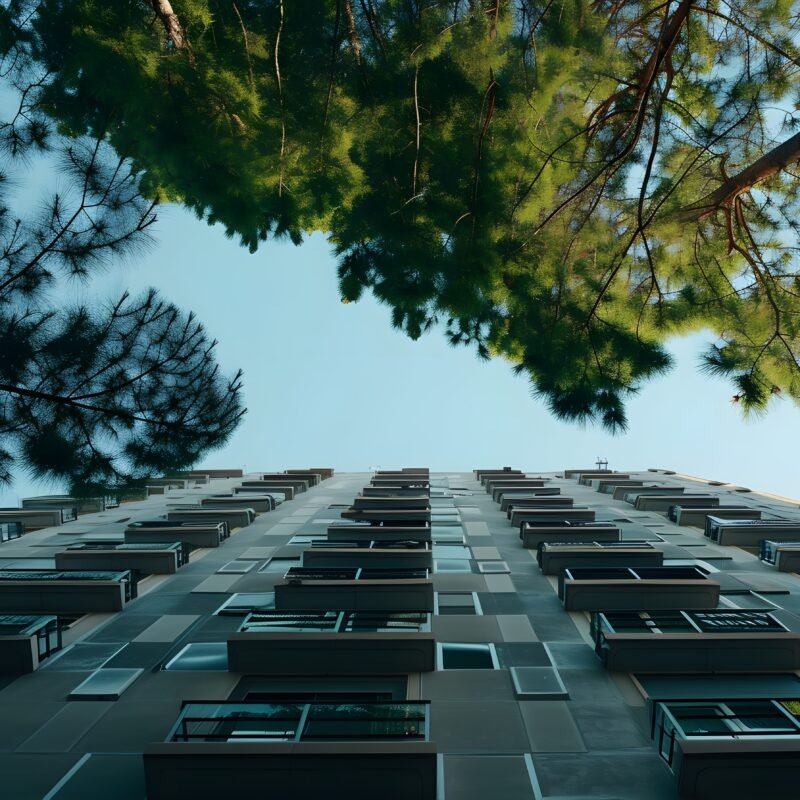
Getting approval for your residential flat building project can seem challenging, but with the right guidance, it doesn’t have to be. We make the entire process simple, efficient, and stress-free.
With years of experience working on residential flat building projects, our team of specialist town planners and designers understands exactly what councils look for. We have a deep understanding of local regulations and planning requirements, allowing us to offer practical solutions that ensure your project moves forward without delays.
From the initial feasibility assessment to the submission of your Development Application (DA) and post-approval support, we’re here to keep your project on track and compliant.

Comfortable flats with modern amenities.
Units for long-term use, no short-term stays.
NRAS compliance ensures affordable, capped rents.
SEPP-compliant flats enhancing community safety.
Transforming your residential flat building project into a reality requires adherence to specific regulations.
The Housing SEPP 2021 regulations offer flexibility for residential flat buildings, making it difficult for councils to reject a Development Application (DA) when specific criteria are met. You may also benefit from up to 25% additional floor space and reduced requirements for private open spaces and parking. This makes residential flat buildings a viable solution for many types of properties.
Residential flat buildings must meet both state and local fire safety codes. Our team ensures your design adheres to these stringent regulations, working with your architect to deliver layouts that are both compliant and safe, meeting all legal fire protection standards.
Councils may express concerns about the impact of new developments on the surrounding community. We manage community feedback efficiently, ensuring that any objections are based on valid planning principles. Our proactive approach streamlines the approval process and reduces any delays or obstacles.
If your design aligns with the State Policy, councils are typically unable to reject the DA. We assist you in navigating all development requirements, including building size, neighborhood fit, accessibility, privacy, natural light, landscaping, open space, accommodation specifications, management strategies, parking, and traffic management—ensuring complete compliance with all regulations.
We’ve got the insights you need to navigate the process with ease. Our team is here to answer all your questions and ensure your residential flat building project progresses smoothly.
The approval process involves several stages, starting with a feasibility study, followed by the preparation and submission of a Development Application (DA). The council will review the design, check for compliance with planning and environmental laws, and assess community impact. Once approved, the construction process can begin.
The approval time can vary depending on the complexity of the design and council workload. Generally, it takes anywhere from 3 to 6 months, but it could take longer if additional information or adjustments are required.
Key requirements include compliance with building codes, zoning regulations, environmental standards, and the Housing SEPP 2021. The design must address factors like privacy, accessibility, fire safety, parking, and community impact.
Not all properties are suitable for residential flat buildings. The land must meet specific zoning requirements, and factors like the size, location, and access to services must be taken into account. A feasibility study will help determine if the site is appropriate.
Residential flat buildings offer increased rental income, improved land use efficiency, and the potential to contribute to affordable housing. They also help provide long-term housing solutions for communities.
