
Get Free Consultation!
We are ready to answer right now! Sign up for a free consultation.
Error: Contact form not found.
I consent to the processing of personal data and agree with the user agreement and privacy policy
We are ready to answer right now! Sign up for a free consultation.
Error: Contact form not found.
I consent to the processing of personal data and agree with the user agreement and privacy policy
A supermarket is more than just a place to buy groceries; it's a dynamic space that requires careful planning and design to ensure customers have an enjoyable and convenient shopping experience. From layout to product display, every detail plays a crucial role in driving customer satisfaction and loyalty.
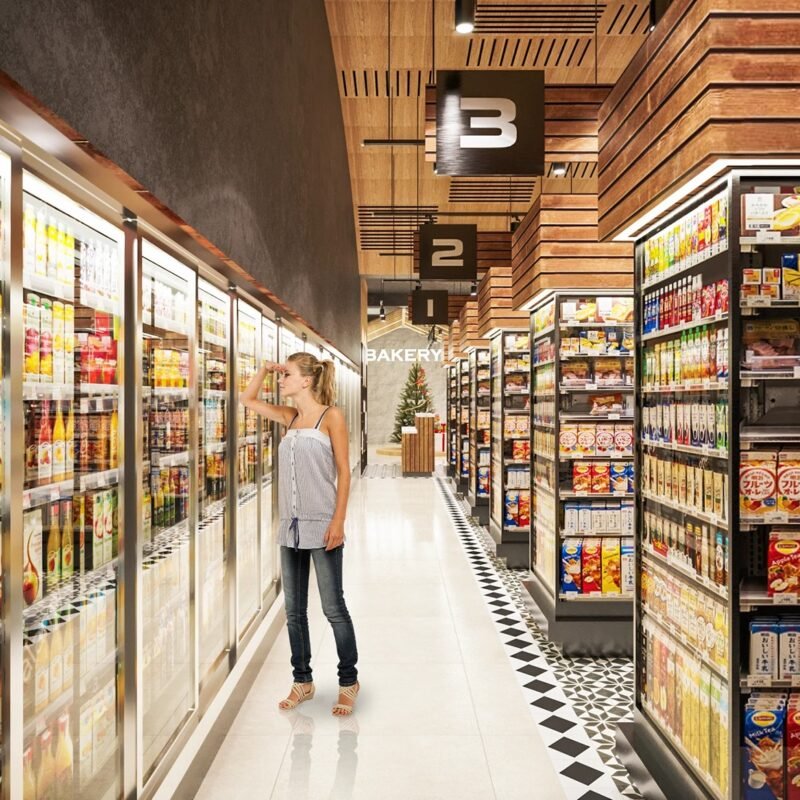
An effective supermarket design combines functionality with aesthetics to provide a seamless shopping experience. Here’s why it’s important:
Optimized Customer Flow: A well-designed layout encourages smooth movement, ensuring customers can easily find what they need without feeling overwhelmed.
Increased Sales: Strategic product placement and clear signage can boost impulse buys and increase the average basket size.
Customer Comfort: Thoughtful design choices, like wider aisles, ample lighting, and comfortable temperature control, create a welcoming atmosphere for shoppers.
Brand Identity: A supermarket’s design and layout should reflect the brand’s identity, making it instantly recognizable and aligning with its core values.

Optimized layout for easy store navigation.
Consistent design for cohesive brand identity.
Visible signs & clear labels for easy product ID.
Energy-efficient lighting for 24/7 visibility.
Designing a supermarket that is both functional and appealing requires a deep understanding of customer behavior, store flow, and brand identity.
In a supermarket, clear messaging is key to guiding customers efficiently through the store. The signage should reflect the supermarket’s layout and offerings while being easy to read and understand. We focus on creating straightforward, concise messages that help customers locate items quickly and make their shopping experience seamless. Whether through bold, simple text or eye-catching graphics, our designs make sure your supermarket’s key messages stand out to shoppers at a glance.
Sustainability is increasingly important to modern shoppers. In designing your supermarket, we prioritize eco-friendly practices, such as using sustainable materials for signage, energy-efficient LED lighting, and promoting green initiatives within the store. From recycled materials for product displays to waste-reduction systems, our designs not only reduce environmental impact but also reflect your supermarket’s commitment to sustainable practices, attracting eco-conscious customers while lowering long-term operational costs.
Efficient use of space is crucial for a well-functioning supermarket. We ensure that signage and product displays make the best use of your store’s space while keeping everything visible and easily accessible to customers. Strategic placement near high-traffic areas, shelves, and entrances maximizes visibility, making it easier for customers to find what they need. Our designs also allow for future enhancements or layout changes as your supermarket grows.
Supermarket signage should engage customers and enhance their shopping journey. Our designs are created to attract attention and guide customers effectively through different sections of the store. We use clear, direct signage, dynamic displays, and, where applicable, interactive features such as digital kiosks or promotional boards. Accessibility is a priority, ensuring that all customers, including those with disabilities, can easily navigate the store. This includes ADA-compliant signage, such as braille or signage at appropriate heights for different visual audiences.
Simplifying Your Supermarket Setup with Answers to Common Questions
The layout should be designed to optimize customer flow and accessibility. Place high-demand items in easy-to-reach locations and create clear aisles for smooth movement. Group similar products together and consider placing impulse-buy items near checkout areas to encourage additional purchases.
Implement energy-saving practices such as LED lighting, eco-friendly refrigeration systems, and energy-efficient air conditioning. Additionally, reduce waste through recycling programs and using sustainable materials for packaging and signage.
Clear signage is key to guiding customers through the store. Use prominent, easy-to-read signs for sections, promotions, and specific product categories. Ensure the signage is visible from a distance and placed at strategic points, such as entrances, aisles, and checkout areas.
Make sure your supermarket is ADA-compliant by including features such as wide aisles, ramps for easy access, and clear, legible signage at appropriate heights. Offering digital or tactile directories and providing wheelchair-accessible carts also enhances accessibility.
Incorporate sustainable materials, use energy-efficient systems, and encourage waste reduction through recycling and composting. You can also feature locally-sourced, organic products to align with growing consumer demand for eco-friendly options.
